Edward D. Senella Memorial Scholarship Equals a TTCC Pathway to Education

Regarding healthcare education, the Edward D. Senella Memorial Scholarship at Tarzana Treatment Centers College (TTCC) is outstanding. Honoring the legacy of Edward D. Senella, the scholarship celebrates his unwavering commitment to helping individuals affected by substance use disorders (SUD).  

As a Tarzana Treatment Centers (TTC) community member, Senella was passionate about helping others recover and succeed. Thus, the Edward D. Senella Memorial Scholarship highlights the transformative power of behavioral healthcare education. 

Edward D. Senella Memorial Scholarship = Transformative

Embodying TTCC’s mission of inclusivity and empowerment, the Edward D. Senella Memorial Scholarship provides financial support to individuals pursuing California’s SUD Counseling Certificate. Hence, the goal is to assist those with a strong desire and potential to serve people impacted by substance use. Moreover, the scholarship emphasizes helping students with firsthand experience with substance use disorder. 

When students apply for the scholarship, they answer questions about their lived experience and their future intentions that comprise the ABCs of Senella’s vision: 

  1. What has inspired you to pursue a career as a certified substance use disorder counselor, and how does this align with your long-term career goals? 
  1. How would you apply the knowledge and skills gained from this scholarship program to serve the substance use disorder community? 
  1. How would you raise awareness about substance use disorder in your community and help connect individuals with available resources? 
Giving Back and the Edward D. Senella Memorial Scholarship

Indeed, Edward D. Senella believed treatment was the first step because everyone in the recovery field should give back to their communities. Given these questions, the focus of the Edward D. Senella Memorial Scholarship is to support the education of students that reflect the values of the man.

Thus, the hope is that these future treatment professionals will help to rebuild lives and strengthen communities. Indeed, they will walk the walk on the path that Senella graced in his life. 

The recipients of the Edward D. Senella Memorial Scholarship will receive funding for the following expenses: 

  1. Tarzana Treatment Centers College SUD Tuition 
  1. Student registration for accreditation fees (CAADE, CADPT, or CCAPP) 
  1. Preparation courses and registration for the Certification Exam 
  1. Course Materials and Graduation Fees upon completion of the program 
Contact TTCC to Learn More about Educational Opportunities

To learn more about the Edward D. Senella Memorial Scholarship and educational opportunities at TTCC, please contact us today at ttcc@tarzanatc.org. One step away is the door to a better life where you can earn a living while helping others recover.  

TTCC Mentored Internship Program = Positive Impact on SUD Workforce 

The Mentored Internship Program (MIP) at Tarzana Treatment Centers College (TTCC) helps to develop a knowledgeable, capable and compassionate behavioral health workforce in California. Celebrating the conclusion of this impactful initiative on this year’s cohort, we mark the journey and achievements of the program and its participants. Indeed, we recognize the contributions to substance use disorder (SUD), mental health, HIV/AIDS, and the housing services field. 

The program aims to equip students with a robust platform to hone professional skills while receiving comprehensive development training. Students in the program gain invaluable experience that aids in their seamless integration into the behavioral health workforce. The 12-week, compensated, cohort-based initiative offers interns a framework for growth. It features formal mentorship from accomplished behavioral health (BH) professionals.  

Highlights of the TTCC Mentored Internship Program 

The Mentored Internship Program is a 12-week cohort that requires at least 40 hours every two weeks. The total time needed to complete the program is 240 hours. Some of the highlights of the TTCC Mentored Internship Program include: 

  • Comprehensive Training 

Each intern received hands-on training in behavioral health prevention, intervention, and treatment. Such training fosters essential skills through a structured curriculum and supervised clinical support. 

  • Workforce Development 

The program successfully transforms MIP interns into a new generation of behavioral health professionals for the SUD and mental health workforce, addressing the diverse needs of various communities. 

  • Community Impact 

MIP interns contribute service hours across multiple facilities. Such program support positively impacts patient care, expanding access to treatment services and help. 

Beyond the positive impact on patients, MIP interns are paired with leading healthcare professionals from different programs across Tarzana Treatment Centers. The mentors serve as preceptors and professional guides during the internship.

Over the 12-week program, MIP interns explore a variety of core competencies, including public health education, professional networking, supervised outreach events, shadowing, data research, and more!  

Indeed, TTC College is a genuine opportunity to grow and learn professionally. In addition, the Mentored Internship Program reveals opportunities available throughout the behavioral healthcare industry. By hosting curated weekly workshops and trainings, interns are educated on health science topics while developing professional skill-building tools. 

Key Achievements of the Mentored Internship Program 

Some of the Key Achievements include, but are not limited to, the following: 

  • Employment Success 

To date, 20 interns have been hired by Tarzana Treatment Centers, underscoring the program’s success in transitioning graduates into full-time BH roles.  

  • Educational Attainment 

MIP internships often lead to the successful completion of additional programs. Graduates have completed Bachelor’s and Master’s Degrees, and SUD Counseling Certificate Programs. 

  • Innovation and Leadership 

Interns have spearheaded and participated in projects focusing on patient-centered care, harm reduction strategies, and community outreach. 

The Mentored Internship Program = A True Success

The Mentored Internship Program at TTC College opens the door to multiple avenues of support for interns. In addition, the program fosters professional connections while ensuring quality workforce development. For any questions regarding the Mentored Internship Program at Tarzana Treatment Centers College, please contact internship@tarzanatc.org.  

Tarzana Treatment Centers College Honored with LA County Excellence Award

When a nonprofit college receives the LA County Excellence Award, you know they are on the right track and doing well. Tarzana Treatment Centers College (TTCC) received the award as a Certificate of Recognition in Public Health. At the 37th Annual Productivity and Quality Awards, TTC is awarded for its “Commitment to Serving People and Solving Problems.”  

The LA County Excellence Award from the County of Los Angeles Quality and Productivity Commission acknowledges TTC’s collaborative work. Working with the Substance Abuse Prevention and Control (SAPC) Tuition Incentive Program (TIP), the award underscores the significance of serving the underserved. Indeed, the award recognizes the heart of TTCC’s mission to train people to serve in underserved communities. 

LA County Excellence Award = A Commitment to Help 

Honorable Lindsey P. Horvath (Chair, LAC Board of Supervisors) and William B. Parent (Chair, Quality and Productivity Commission) signed the LA County Excellence Award. Presented at the Dorothy Chandler Pavilion on October 16, 2024, the award symbolizes the importance of TTCC as an educational institution in the community.  TTCC representatives were honored to sit with Dr. Gary Tsai (Director of DPH-SAPC), Katherine Sutherland, and Kyle Kennedy. 

Dr. James B. Golden, Chief Academic Officer, reflected on the significance of the recognition bestowed on TTCC.  As he expresses, “This award is a reminder of what happens when we collaborate as a community to uplift one another.” Indeed, by doing well in their efforts to support their respective communities, TTCC truly is doing good.  

Empowering Communities Through Education 

The LA County Excellence Award recognizes the ripple effect of partnership. By empowering communities through education, TTCC helps realize a goal that optimizes Los Angeles County. By providing educational opportunities for individuals from underserved communities to become SUD counselors, TTCC opens many diverse doors to healing. Through SAPC’s generous support of student tuition and fees, TTCC offers access to educational opportunities that align with the college’s mission. 

Indeed, on the TTCC website, the core of the mission statement reads:  

“The mission of Tarzana Treatment Centers, Inc. College (TTCC) is to expand access to a quality and affordable healthcare learning experience for adults in all stages of their professional career and development. As part of this mission, we implement academic courses and student activities with an emphasis on the delivery of quality integrated healthcare services based on evidence-based practices, patient-centered care, and reducing total cost of care.” 

LA County Excellence Award Means Growing Partnerships 

TTCC’s partnership with Los Angeles County helps to strengthen the SUD workforce in Los Angeles. In addition, it exemplifies the nonprofit’s commitment to evidence-based practices, patient-centered care, and reducing the total cost of care. The overall vision of the TTCC program continues to grow, with invaluable contributions from our students and Program Coordinator, Camila Panozo.  

Future TTCC initiatives include launching a Spanish-language SUD counselor certification program and ensuring students have access to laptops to complete all their academic work.  “Given the growing demand for Spanish-speaking SUD Counselors in Los Angeles County, TTCC is committed to helping address this workforce challenge along with our SAPC partner.”, expressed Dr. José C. Salazar, TTCC’s Vice President and COO.  

The 2024 TTC College Graduation Celebrates Remarkable Achievements

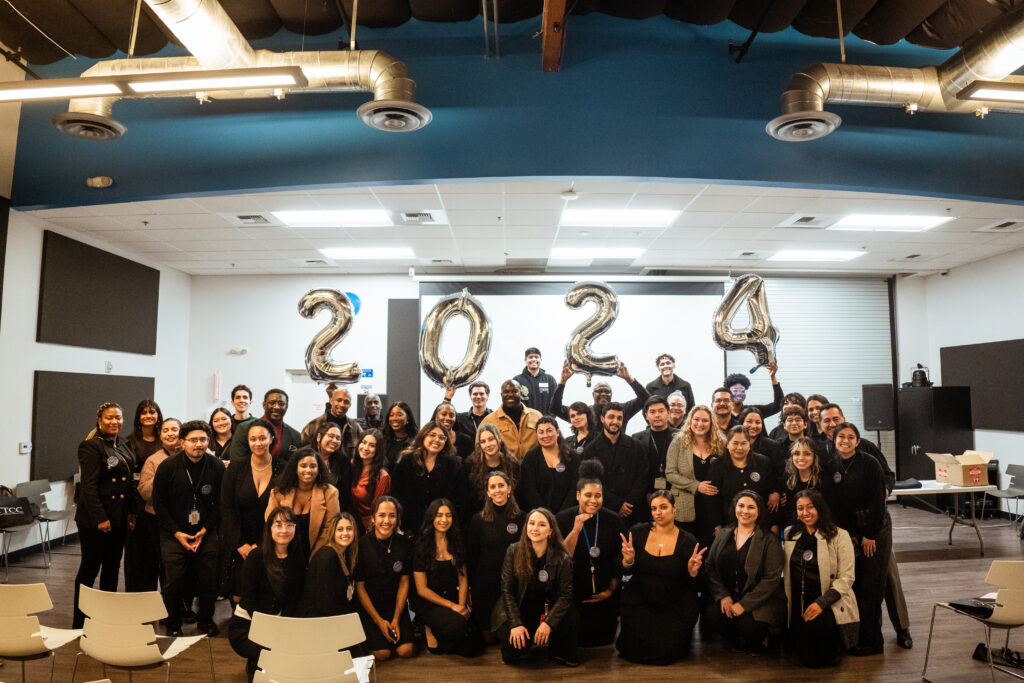
On December 6, 2024, the TTC College Graduation ceremony marks a significant milestone for Tarzana Treatment Centers College (TTCC). Without question, the ceremony reflects an ongoing journey of empowering underserved communities through education. From 6:00 PM to 8:30 PM, the ceremony celebrates the remarkable achievements of the TTCC graduates from the Substance Use Disorder Counseling Certification Program (SUD) and the Medi-Cal Peer Support Specialist Certification Program (PSS). Together, these programs foster resilience by preparing graduates for impactful roles in their communities. 

The 2024 TTC College Graduation theme is “A Different World.” Inspired by the hit 90s television show, the show’s impactful focus was motivating people from underrepresented communities to believe in themselves and attend college. Furthermore, this theme takes on a deeper meaning as TTCC students enter a different world post-graduation. With the landscapes of the healthcare field and the country changing, the specificity and rigor of their education allow students to enter a brave new world ready to succeed. 

The Tarzana Treatment Centers College Team Supports Graduating Students

Key Details about the TTC College Graduation Ceremony 

Although the TTC College Graduation location will be at the Tarzana Treatment Centers College Headquarters in Woodland Hills, the event is only in-person for student and faculty award winners. Virtual participation will happen via Zoom for all other students, families, and community members. In an exciting update, the TTC College Graduation ceremony will feature a Land Blessing by Native American leaders and a keynote speech by Dominique Hamler, Executive Director of the Los Angeles Outpatient Center. 

Whether live or virtual, the 2024 TTC College Graduation Ceremony celebrates resilience. With perseverance and determination, TTCC students from all walks of life embrace the college’s unique offerings. Indeed, many have overcome significant personal and systemic barriers, including justice involvement, housing insecurity, and other hardships. Moreover, their success reflects their commitment and the dedication of TTC College’s faculty and staff. From top to bottom, we believe in creating an inclusive, academically rigorous, and supportive educational environment. 

A Deeper Look into the 2024 TTCC Graduating Class 

When you delve into the logistics of the TTC College Graduation, you see the event’s themes as powerful realities. Indeed, the 307 graduating students represent an inspiring diversity of backgrounds and life experiences. With 94 SUD and 213 PSS graduates, respectively, the demographics are nothing less than impressive. When it comes to gender, for example, 53.4% are female, 42.3% are male, 1.3% are transgender, 0.6% are non-binary, and 2.2% prefer not to say. What is impressive is the societal balance of these figures.  

In addition, regarding the racial and ethnic diversity of students in the class, 42.9% are Latino, 19.5% are Black/African American, and 24.4% are White, with representation across Asian, Native American, Middle Eastern, and mixed-race communities. In other words, the 2024 TTC College Graduation reflects underserved communities across California. 

Expanding this reach on a more profound level, 35.1% of graduates are Justice-Impacted, 47.2% have Lived Experience with substance use disorders and mental health challenges, and 26.3% are part of the Unhoused Community. Therefore, Tarzana Treatment Centers College is making a difference by reaching people most in need. The TTC College Graduation ceremony represents an ideal example of a mission being realized and celebrated.  

Why the TTC College Graduation Matters 

In line with this success, TTCC’s mission is to empower individuals from underserved and marginalized backgrounds to achieve economic mobility and personal growth. Hence, graduates of both the SUD and PSS programs leave with certifications that foster the skills and confidence to effect meaningful change. Thus, each graduate’s story is a testament to the transformative power of education and community support. 

Please join us for the TTC College Graduation ceremony and participate in the celebration. More significantly, if you know someone who longs to enact change in their lives and communities, please put them in touch with the college. Indeed, the 2024 TTC College Graduation is just one more beginning. Our staff, faculty, and graduates remain steadfast in their commitment to expanding opportunities for future students by fostering a legacy of hope and empowerment. 

TTCC Peer Support Specialist Training at Lancaster State Prison Provides Hope

Peer Support Specialist (PSS) training helps people positively change their lives. As the learning and development division of Tarzana Treatment Centers (TTC), Tarzana Treatment Centers College (TTCC) now offers PSS training and courses for incarcerated individuals at Lancaster State Prison. Indeed, TTCC recognizes the pressing need to support individuals transitioning from incarceration to community life.

In response to this need, TTCC addresses this issue with a comprehensive Reentry Education and Employment Initiative called XRoads. Hence, the goal of the XRoads Initiative at Lancaster State Prison is to positively impact those willing to take a new path. Moreover, the mission of TTCC is the belief “that a progressive education empowers and results in exemplary healthcare professionals committed to addressing the healthcare needs of their community.” 

peer support specialist training

Consequently, implementing progressive education in a prison environment is a perfect example of realizing this vision. TTCC helps incarcerated people rebuild a part of their lives.

More About Peer Support Specialist Training

As defined by the California Mental Health Services Authority (CalMHSA), “Certified Medi-Cal Peer Support Specialists provide recovery-oriented, culturally appropriate services that promote engagement, socialization, self-sufficiency, self-advocacy, natural supports and are trauma aware.” Thus, a significant aspect of being a Peer Support Specialist is sharing lived experiences. By sharing what happened to them, incarcerated individuals possess the influence to alter the course of a person’s life. Such an alteration is particularly impactful if a young person is heading in a dangerous direction. 

With a track record of achieving project goals and delivering tangible results, TTCC fits the role of bringing Peer Support Specialist courses into Lancaster State Prison. Thus, TTCC knows how to present this opportunity to incarcerated individuals, understand their unique needs, and develop a culturally responsive curriculum. Indeed, the XRoads Initiative at Lancaster State Prison will realize a series of goals and benchmarks to make this project successful.

Five Goals of the Peer Support Specialist Program

Understanding the significance of this opportunity, the XRoads Initiative’s goals include:

  1. Expand education and employment programs in the prison by increasing their scope
  2. Enhance reentry services through support like vocational education and job readiness training
  3. Forge strategic partnerships beyond the prison, including educational institutions, workforce development organizations, and potential employers of Peer Support Specialist graduates
  4. Implement evidence-based practices in the programs and services at the prison
  5. Focus on equity and underserved populations to ensure inclusivity and accessibility

Tarzana Treatment Centers provides integrated care options like mental health services, substance use support, and primary care. Moreover, TTCC fosters holistic education, personal growth, and sustainable success in the Peer Support Specialist training. Thus, the ongoing goal is to promote resilience, restore hope, and create pathways to a brighter future for incarcerated individuals. Indeed, you open the door to true potential by offering the possibility of change.

Ashley McGowan, Program Operations Supervisor for TTCC, explains, “The X-Roads program is a significant opportunity to connect with incarcerated students and equip them with the skills to rebuild their lives. It gives them hope. Since I have done this work before, I know these students are truly motivated. They give life to the program, laying the groundwork for future reentry initiatives.” 

The XRoads Initiative and Peer Support Specialist Training

Most importantly, this program supports incarcerated individuals willing to make a legitimate effort. Beyond the XRoads Initiative mission values of empowering, rebuilding, and transforming lives, there is rigor and focus. Through its Reentry Education and Employment Initiative, TTCC makes a significant difference in the lives of individuals reentering society after incarceration. At the same time, the program is a two-way street and requires work and commitment.  

The good news is the response at Lancaster State Prison to the PSS training and courses is impressive. When you offer a thirsty person a cup of water, they tend to drink it. Peer Support Specialist training is a refreshing move in the right direction for these men.  

September TTCC Roundtable

TTCC Roundtable is a designated space for partner organizations to connect with TTC College on a variety of collaboration opportunities from being a guest speaker, educational workshops, and valuable conversations surrounding the latest news in the behavioral healthcare field.

We thank Cameron Bell for taking his time to share his expertise with us. We thank all of our attendees and cannot wait for October’s topic on Uniting for Change, Discussing the Future of Prop 36!

For more information on how you can collaborate with TTC College please click on the link below!

PARTNER WITH US!

A Journey to Healing

What does recovery mean? For some it means a second chance, renewed hope, and finding themselves again. According to the Substance Abuse and Mental Health Services Administration (SAMHSA), recovery is defined as “a process of change through which individuals improve their health and wellness, live a self-directed life, and strive to reach their full potential.” (Page 3) Everyone on the path to recovery has their own definition and purpose to a second chance at life. Many of our own students come to Tarzana Treatment Centers College with their personal recovery story, ready to make a difference for someone else. Recovery is not a one-size-fits-all process, and with the increasing rates of substance use overdoses, the conversation around healing through community is more urgent than ever.  

The Importance of Community in Recovery 

Recovery is not just a one-person job; it takes a community to support folks seeking recovery. When an individual enters the journey to healing, they are first met with a load of people who will help them through treatment from nurses, counselors, therapists, social workers, and more depending on the needs. All of these essential workers come together to help folks find their recovery. Post treatment, most individuals maintain relationships with key community members that will help keep them accountable and further remove the stigma surrounding substance use. For some that looks like going to Substance Use Anonymous groups, having a sponsor(s), family members to check in with, finding new hobbies, and even starting their own initiatives to help others in the mission of recovery. As a community we can foster resilience and help break the stigma of substance use. We all have a role to play in helping some of our most vulnerable groups and you can start by just researching ways you can contribute to the greater cause.  

Life After Treatment  

TTC College staff, Warren Spurlock, Justin Lawrence, and recent graduated intern Monica Castro-Prince saw a gap in resources post-treatment among our residents. They knew that recovery was not achieved in just three months of treatment, but rather a life-long journey. Through this desire to serve our community, they launched Life After Treatment in August of 2023. On August 8th, 2024, TTC College hosted our second annual Life After Treatment event at one of our residential treatment centers here in Tarzana, CA. We brought over 20 organizations to come serve our residents in treatment providing services like expungements, housing stability, food security, job opportunities, healthcare, and more from major non-profit organizations like Homeboy Industries, ACE4Change, to name a few. We were able to serve over 150 of our Tarzana residents and invited residents from our Long Beach and Antelope Valley location. Life After Treatment is meant to provide services and resources so that our clients can achieve long-term recovery after they leave, because we know there are still barriers that need to be addressed, overcome, and destroyed 

Barriers to Recovery and How to Overcome Them 

For recovery to be possible, our community needs to be well-informed of the barriers that may come when a person is seeking recovery. One prominent barrier is the lack of resources to help those in need. For someone who is seeking recovery, they may not know where to start on their journey but that is where we come in as a community! One way we can stay informed of our resources is through education. Many non-profit organizations offer free training on overdose prevention and how to use Narcan. For those of us still learning, Narcan, or Naloxone, is a nasal spray used to quickly reverse the effects of opioid overdoses while folks call for help. This is a lifesaving medication that the FDA (Food and Drug Administration) approved to have available over the counter as of March 29th, 2023. While this is a huge milestone, allowing many to have access to Narcan, it still creates a barrier for the communities that need it most. If a person doesn’t have money, or health insurance, maybe they are houseless, how are we expecting them to get access to Narcan? This is where we come in. Many of us are teachers, librarians, customer service employees, healthcare workers and each of us can be trained in how to use Narcan so we can potentially save someone’s life. Each of us can support and advocate for local and state policies that can potentially save lives.  

Overdose Poisoning Awareness and Remembrance Walk 

On September 14th, we were invited to attend the Overdose Poisoning Awareness and Remembrance Walk hosted by Pueblo y Salud to honor loved ones lost to overdose and commemorate their memory. We took time to honor loved ones who have passed and talked about ways we can connect with each other to continue the mission of ending substance use. As our team walked the trail, we were reminded of how precious life is and how it takes a village to keep each other safe. One impactful moment was when our Chief Academic Officer, Dr. James B. Golden, said “In a system that is not meant for healing, we have to heal each other.” As a community we can show up for each other in ways that are lifesaving, but it starts with you!  

If you feel a calling to the greater mission of ending overdoses and helping others in their recovery journey, apply today to TTC College and learn more about our Peer Support Specialization Program and our Substance Use Counseling Program.  

If you’d like to learn more about how you can bring Narcan and Overdose Prevention training to your community, school, or workplace, email us at ttcc@tarzanatc.org to learn more.


Additional Resources for Information: 

  1. SAMHSA (Substance Abuse and Mental Health Services Administration) 
  • Provides extensive resources on recovery, treatment, and mental health: www.samhsa.gov 
  1. National Institute on Drug Abuse (NIDA) 
  • Offers research and educational resources on substance use and recovery: www.drugabuse.gov 
  1. National Alliance on Mental Illness (NAMI) 

References 

Commissioner, O. of the. (n.d.). FDA Approves First Over-the-Counter Naloxone Nasal Spray. U.S. Food and Drug Administration. https://www.fda.gov/news-events/press-announcements/fda-approves-first-over-counter-naloxone-nasal-spray  

SAMHSA’s Working Definition of Recovery. SAMHSA. (n.d.). https://store.samhsa.gov/sites/default/files/pep12-recdef.pdf 

August TTCC Roundtable

TTCC Roundtable is a designated space for partner organizations to connect with TTC College on a variety of collaboration opportunities from being a guest speaker, educational workshops, and valuable conversations surrounding the latest news in the behavioral healthcare field.

We thank Sergio Frasuto Jr. for delivering an insightful and empowering presentation on HIV Prevention and the significance of PrEP/PEP. We thank all of our attendees and cannot wait for September’s topic on Mastering De-escalation Techniques: Building Calm In Crisis!

For more information on how you can collaborate with TTC College please click on the link below!


Partner With Us!

Brotherhood in Healing

 Bruce McDaniel speaking about his experience with recovery.

Tarzana Treatment Centers College teams up with the Ayeneh Media Foundation to discuss the impact one person can have on a community of people seeking recovery. In this edition, Dr. James B. Golden, PsyD, the Chief Academic Office of TTC College, as the host talks with TTC College Alumni and Entrepreneur, Bruce McDaniel, on the impact that the Substance Use Counseling Program had on his recovery, his desire to impact the community, and how others can use their story to create long lasting change.  

Substance Use Counseling Program and Its Impact 

In this episode, Bruce McDaniel offers his insight on what motivated him to pursue the Substance Use Counseling Program with Tarzana Treatment Centers College. As he started his recovery journey, Bruce wanted to find a way to expand his ability to impact the community. Bruce wanted to be a mirror of hope to others and decided that having the education to back his experience would be the best way to do it. During the discussion, Bruce powerfully makes the connection that “…having the education backed by the fact that I look like a lot of the people who are in the beginning stages of their recovery, it hits a little bit harder…”. A valuable insight that success and trust in recovery often happens when residents can see a variety of representation among their counselors, mentors, nurses, and staff that not only look like them but understand the experience firsthand.  

After discussing a bit about Bruce’s motivation to stay in recovery and impact those around him, Dr. James B. Golden asks Bruce where he is right now in his professional career and how the SUD Program has helped him achieve his larger goal to inspire others. Bruce discusses that although he may not be in the specific world of counseling, he is “that light for some people who [are] walking through TTCC and folks who attend CGA (Crime and Gang member Anonymous) meetings showing people that there is another way.” One thing that TTC College prides itself is innovation. We encourage our students and staff to find innovative ways to impact our community, and that is one of the core values Bruce is demonstrating. Although he may not be directly providing clinical counseling, he is mentoring, spreading an important message, and providing a safe platform for folks just like him to freely express their stories and find the courage to seek out support. Dr. James B. Golden makes the connection that counseling continues to change as the world changes. Whether you use your substance use counseling to uplift recovery lifestyle brands, spoken work poetry, speaking engagements, nursing, policy making, or counseling, you can utilize the education you receive here at TTC College to make a larger impact.  

Be the Light 

“It’s a beautiful situation to see everybody come together for one common cause. We’re all here to help people and that’s all that matters.” Bruce stated. Regardless of where you come from, your experiences, how you identify, and what your next passions are, here at TTC College we are ready to continue to help you get started to be your own light in the community you love so much.  

Bruce McDaniel performing for TTC College 2022 Graduation.

Stay Connected 

For the full interview please visit the following link: https://youtu.be/42hZkWvD9qc?si=-59f60rzYaLtFgvp and stay connected with us on YouTube, Instagram, and LinkedIn

If you are interested in applying for our programs, please visit our website here Home Page – Tarzana Treatment Centers College (ttccollege.org) and apply now!  

July TTCC Roundtable

TTCC Roundtable is a designated space for partner organizations to connect with TTC College on a variety of collaboration opportunities from being a guest speaker, educational workshops, and valuable conversations surrounding the latest news in the behavioral healthcare field.

For more information on how you can collaborate with TTC College please click on the link below!

Partner With Us!

Hello, Welcome to TTC College!

Embark on a transformative journey of learning and discovery your potential here at TTC College. Join a vibrant community dedicated to academic excellence and personal growth – apply now to start your future!